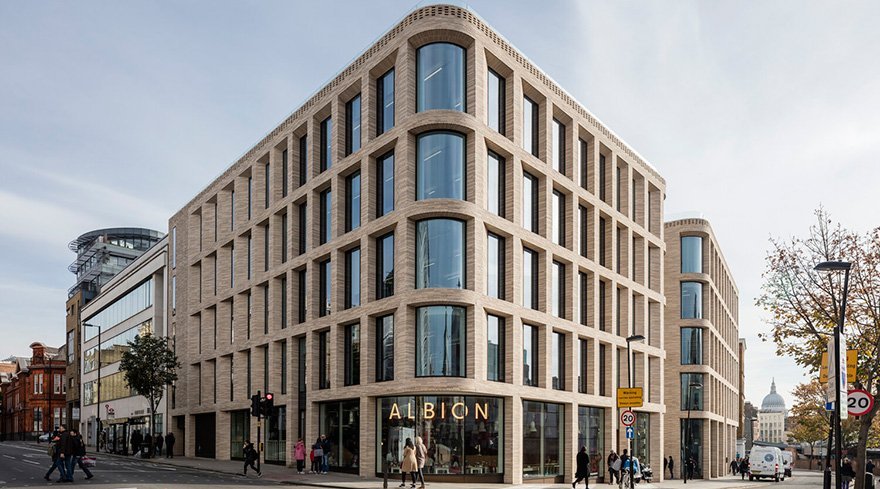
Trade is a name that many will be familiar with when thinking about the 90’s electronic music scene in London. It is often associated with being a queer club night with almighty strength and pull. An association can run much deeper than the hearsay, though, as it holds a deep affinity to a movement, a pioneering statement for the LGBTQ+ scene.
‘Often copied, but never equalled’. Trade started its musical journey back in 1990 and was the brainchild of visionary Laurence Malice. The night revolutionised both London’s gay and straight scene. A bold statement, but one that will certainly ring true. Unique in form, Trade opened its doors at 3 AM on a Sunday and rolled through to 1 PM the same day. It represented the first after-hours clubbing experience in the city. The timings coincided with the world-renowned Turnmills venue, the first venue to obtain a 24-hour opening license. The pair collaborated hand in hand, with Trade being credited as the main link of the evolution of Turnmills as a clubbing space.
Touted as “The original all-night bender”, the night had a wonderfully refreshing and diverse door policy that separated it from any other. It read: “You do not have to be gay or a member to get in, but your attitude and look will count.”
It is true to say that no clubbing brand today has had an audience so obsessed with or so much adoration for what it stands for. Trade paved the way for legal after-hours clubbing and set a precedent for all similar timed and themed events in the mainstream that followed.
A tight music policy and a host of top tier names from the 90s house scene provided the soundtrack with different rooms hosting an array of sonics—techno frequencies from much-celebrated resident Tony De Vit to funky house from The Sharp Boys. Two-roomed events were not the norm in the ’90s, and it was quite a move that spearheaded the regular format we all know in today’s event world.
International acclaim soon followed. Trade became an institution. It was not long before a stage at the famous Love Parade came calling, with the debut event attracting 1.5M ravers. The legendary clubbing night finally closed its doors in 2008 and has finally received honours for its role in the LGBTQ+ space and clubbing worldwide.
A plaque commemorating the night will be installed outside the Turnmills venue, now an office block, to mark its achievements.
Islington Pride is a project unveiled by Islington Council with funding from The National Lottery Heritage Fund. The new heritage trail will place 50 plaques around the borough to celebrate its rich LGBTQ+ history.
Earlier in the year, Islington Pride presented their online LGBTQ+ heritage map. The map showcases South Asian queer party Club Kali among other figureheads and spaces.
For those asking if we are installing a plaque to legendary club night Trade, the answer is YES! We are currently working to proudly fix it as close as possible to the previous location of Turnmills 😉
— Islington’s Pride (@IslingtonsPride) July 30, 2021
Stay tuned! pic.twitter.com/umbH7FeNvz
The plaque will pay tribute to London’s first gay after-hours club by providing a short history to the community. A QR code will enable viewers to scan and find out more about Trade’s history and legacy online.












![Inside Five: Endor [Ruff Cutz Records]](https://www.mrafterparty.com/wp-content/uploads/2023/07/Web-Featured-Image-Template-2-380x213.jpg)
![Inside Five: Endor [Ruff Cutz Records]](https://www.mrafterparty.com/wp-content/uploads/2023/07/Web-Featured-Image-Template-2-100x100.jpg)
