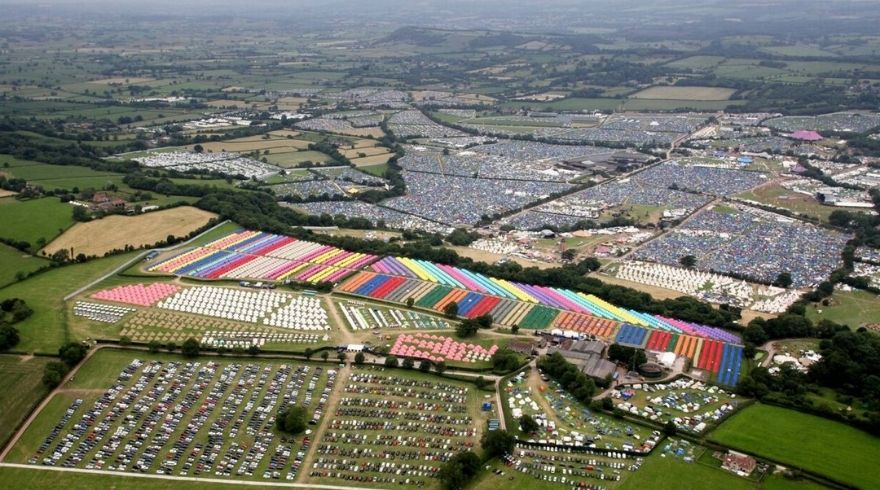
According to a new environmental report, dangerous levels of illegal substances have been found in samples taken from River Whitelake, which runs alongside the world-famous Glastonbury festival.
Environmentally harmful levels of MDMA and cocaine, which pose a significant threat to local wildlife, were detected during a test that took place in 2019. Results were gathered before, during, and after the last Glastonbury Festival, showing high traces of several class-a substances.
The results of the report offered a stark insight into the far-reaching results of the contamination, not only in the local area but also downstream – threatening a particularly rare breed of protected eels.
The contrasting results of the test highlighted concerns, with MDMA concentrations four times higher than the average in the week following the festival. Experts have indicated that this shows signs of long-term toxic run-off from the site. They also believe that one of the biggest influences on the result is festivalgoers urinating onto the ground – instead of using the facilities provided.
A spokesperson for Glastonbury Festival commented on the findings, saying: “Protecting our local streams and wildlife is of paramount importance to us at Glastonbury Festival and we have a thorough and successful waterways sampling regime in place during each festival, as agreed with the Environment Agency,”
“We are aware that the biggest threat to our waterways — and the wildlife for which they provide a habitat — comes from festivalgoers urinating on the land,” he continued. “We are keen to see full details of this new research, and would be very happy to work with the researchers.”
Also commenting on the report, Dr. Christian Dunn of Bangor University said: “Our main concern is the environmental impact. This study identifies that drugs are being released at levels high enough to disrupt the lifecycle of the European eel. We need to raise awareness around drug and pharmaceutical waste, it is a hidden, worryingly-understudied yet potentially devastating pollutant.”
Source: DJ Mag














![Inside Five: Endor [Ruff Cutz Records]](https://www.mrafterparty.com/wp-content/uploads/2023/07/Web-Featured-Image-Template-2-380x213.jpg)
![Inside Five: Endor [Ruff Cutz Records]](https://www.mrafterparty.com/wp-content/uploads/2023/07/Web-Featured-Image-Template-2-100x100.jpg)
