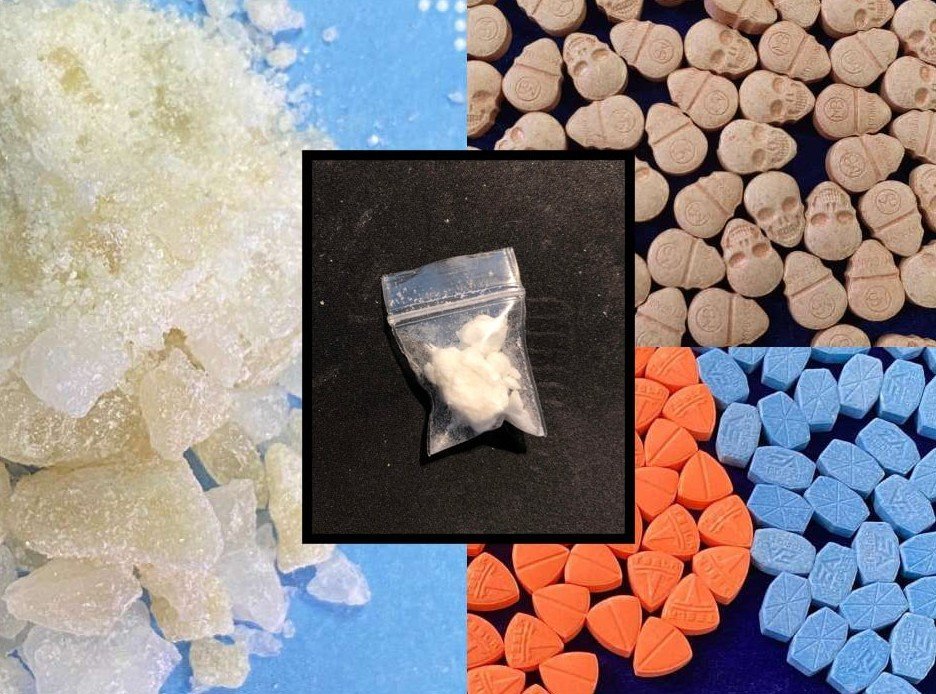
According to a free online publication by Drug Policy Foundation, Transform, state governed pharmacies should regulate and sell stimulant drugs, including cocaine and ecstasy.
Drawing on international scholarship and best practice from legally regulated markets (including alcohol, tobacco, pharmaceuticals and cannabis) they suggest taking a different approach in ‘How to regulate stimulants: a practical guide.’
The e-book opens affirming there is a growing consensus that the ‘war on drugs’ has failed; that despite decades of attempts to suppress the trade, production and consumption are higher than ever, with drug-related deaths are at record levels. Stimulant drugs — including cocaine, MDMA and amphetamines — account for a large proportion of the global drugs trade, and are cheaper, more widely available and more potent than ever.
Including a design proposal of how the packaging could look like, they advise that a specialist regulatory agency, overseen by the government, could license the drugs’ production.

Products would be sold from specialist pharmacy-style outlets, with staff trained to provide consumers with information about drug risks, harm reduction, and services.
Sales would be available to adults only and exclude smokable stimulant preparations, such as crack cocaine or crystal meth. Individual purchases would be limited to 5 × 30mg MDMA in pill form, 4 × 10mg dexamphetamine, 1 gram of powder cocaine.
Products would be unbranded and subject to a complete ban on advertising, sponsorship, and other product marketing forms.














![Inside Five: Endor [Ruff Cutz Records]](https://www.mrafterparty.com/wp-content/uploads/2023/07/Web-Featured-Image-Template-2-380x213.jpg)
![Inside Five: Endor [Ruff Cutz Records]](https://www.mrafterparty.com/wp-content/uploads/2023/07/Web-Featured-Image-Template-2-100x100.jpg)
